

Key Features of Our Project

Our project focuses on place-based considerations, providing local solutions, and promoting policy learning.

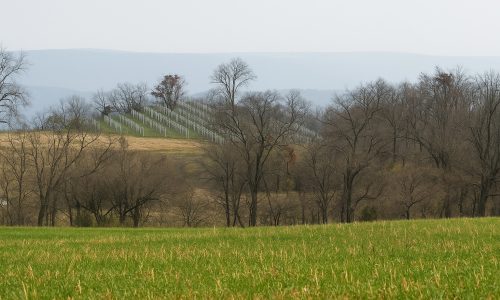
solarpanels

Place-Based Considerations

We understand that different communities have unique histories with local energy systems, relationships to policymakers, and climate threats.
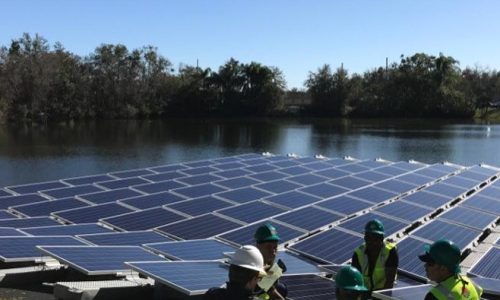
solar panels in water

Local Solutions

We develop frameworks that combine place-based and overarching considerations to ensure just energy transitions.
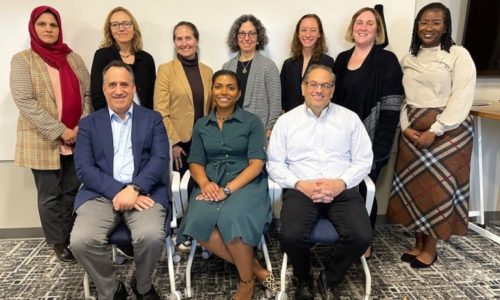
about-team

Policy Learning

We conduct interviews and focus groups in various states to understand local dynamics and energy justice dimensions.

Expertise

Our Team

Meet the experts behind our place-based energy transition research.

Nadia Ahmad

Barry University

Nadia Ahmad explores the intersections of energy siting, the environment, and sustainable development and draws on international investment law and CSR.

Elise Harrington

University of Minnesota

Elise Harrington examines the social and regulatory dynamics of emerging energy technologies, and local energy and environmental policy processes

Jennifer Baka

The Pennsylvania State University

Jenn Baka is an energy geographer who studies how material, political and environmental processes interconnect and with what effects in the context of energy development.

Fayola Jacobs

University of Minnesota

Fayola Jacobs specializes in the urban and regional planning area with a focus on interrogating disaster mitigation plans.

Ward Lyles

University of Kansas

Ward Lyles' research and teaching interests center on the intersection of people, the built environment, and the natural environment.

Uma Outka

University of Kansas

Uma Outka explores the legal context for energy transition, with particular interests in energy and environmental justice, renewable energy, electricity regulation and decarbonization of the electric grid.

Danielle Stokes

University of Richmond

Danielle Stokes teaches and writes in the areas of property, environmental law, and environmental justice, with a focus on sustainability and equity in land use planning.

Hannah Wiseman

The Pennsylvania State University

Hannah Wiseman's research focuses on the mechanics and design of regulation and governance, including the challenges of determining appropriate governance levels, fostering effective experimentation, and addressing expansions in the scale of regulated activities.

Advancing Just Energy Transitions Through Place-Based Research

Different communities have experienced energy systems in distinct ways, shaped by their histories, relationships with policymakers, and exposure to climate risks. Ensuring fair and effective energy transitions required locally tailored solutions that acknowledged these unique factors.

With support from this grant, legal scholar Nadia Ahmad of Barry University and Elise Harrington of the University of Minnesota led a multi-state research initiative to develop conceptual frameworks that bridged place-based dynamics and overarching considerations in just energy transitions. Their team conducted in-depth interviews and community focus groups across four states, Florida, Kansas, Louisiana, and Pennsylvania, to assess how local conditions shaped energy policies, access, and justice outcomes.

The study highlighted critical challenges, including:

  • Urban-rural disparities, where energy infrastructure and investment priorities differed significantly.
  • Tradeoffs between agricultural and industrial land use, influencing decisions about renewable energy development and fossil fuel phase-outs.
  • Re-use of existing energy infrastructure, including decommissioned power plants and transmission networks.
  • Local climate resilience efforts, examining how communities adapted to extreme weather and shifting energy landscapes.

At every stage, the project was deeply collaborative. The research team partnered with community organizations in each state to co-develop research questions, refine analytical frameworks, and create practical solutions tailored to local needs. These partnerships ensured that the research was not only academically rigorous but also directly beneficial to the communities involved.